Applications
We know the leak. Our technologies are applied to the leak and flow control of components used in almost every industrial sector.
Testing that adds value to your production
When a product’s quality depends on its integrity, precision testing becomes an integral part of the production process. This precision, however, must be combined with tools that are easy to integrate online and intuitive to use. This is where ForTest makes the difference: it combines metrological rigor, usability, and ongoing support that tailors each solution to actual production needs.
-
Aereospace
-

Automotive
-
Home appliances
-

Electronic
-

Foundry
-
Gas
-

Mechanical
-
Medical
-

Oleodynamic
-

Packaging
-

Pneumatic
-

Heating
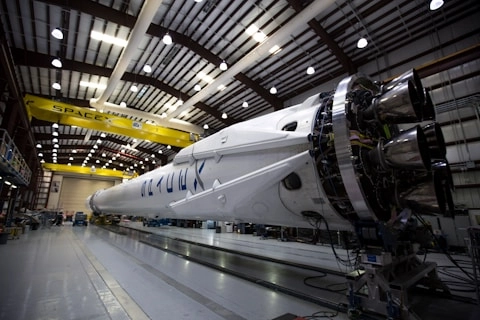
Leak testing for the aerospace industry
In the aerospace industry, leak and flow tests are part of component qualification: a minimal variation can alter electrical insulation, thermal management or structural integrity under critical conditions.
ForTest technologies enable testing of wiring harnesses, electronic modules, hydraulic circuits, and propulsion components with stable, repeatable, and traceable measurements, maintained even at high pressures and under severe test conditions.
This level of metrological control allows manufacturers to validate each piece before integrating it into the line, reducing the risk of latent defects and ensuring operational continuity during the assembly phases.
| Description | Leaktester | Kind of test | Pressure [bar] | Decay [cc/min] | Reference |
|---|---|---|---|---|---|
| Electronic Cables | T8090 | Dual Absolute® Technology | 0.5 | 1 | ForTest |
| Electronic components | T8090 | Dual Absolute® Technology | 0.3 | 1 | ForTest |
| Hydraulic components | T8090 | Dual Absolute® Technology | 6 | 2 | ForTest |
| Space ship engine components | T8980 | Leak tester compliance/interception high level | 25 | 0.5 | ForTest |
| Connectors | T8090 | Dual Absolute® Technology | 1 | 0.1 | ForTest |
| Gaskets | T8090 | Dual Absolute® Technology | 0.2 | 3 | ForTest |
Leak testing for automotive components
In the automotive sector, component sealing is put to the test by vibrations, rapid thermal cycles, variable pressures and aggressive fluids: conditions that can generate micro-leaks that are difficult to detect without truly stable instruments.
ForTest technologies are designed to measure these variations with high sensitivity, ensuring repeatable checks on hydraulic components, cooling systems, electronic modules and powertrain units.
In motorsport, a field of excellence in the Emilia-Romagna region, we collaborate with leading manufacturers who require extremely tight tolerances and flawless testing processes: a concrete reference point for the precision that ForTest is able to ensure.
This metrological approach allows each part to be validated before entering the production line, reducing defects, improving vehicle reliability and production continuity.
| Description | Leaktester | Kind of test | Pressure [bar] | Decay [cc/min] | Reference |
|---|---|---|---|---|---|
| Axles | T8090 | Dual Absolute® Technology | 0.4 | 6 | ForTest |
| Motor Bases car | T8090 | Dual Absolute® Technology | 2 | 4 | ForTest |
| Auto Cabins | T9740 | Continuous mass flow tester RFO high level | 0.0005 | 70000 | ForTest |
| Spark Plugs | T8090 | Dual Absolute® Technology | 8 | 0.3 | ForTest |
| Compression zone cylinders | T8090 | Dual Absolute® Technology | 1 | 0.6 | UNI 10903 |
| Carburetors | T8090 | Dual Absolute® Technology | 2 | 0.5 | ForTest |
| Carcass | T8090 | Dual Absolute® Technology | 2 | 4 | ForTest |
| Carters | T8090 | Dual Absolute® Technology | 2 | 4 | ForTest |
| Brake Cylinders | T8090 | Dual Absolute® Technology | 6 | 0.4 | ForTest |
| Water Circuits Car | T8090 | Dual Absolute® Technology | 1.5 | 3 | ForTest |
| Brake Circuits Car | T8090 | Dual Absolute® Technology | 8 | 1 | ForTest |
| Injector Circuits Fuel | T8090 | Dual Absolute® Technology | 5 | 0.2 | ForTest |
| Complete Fuel Circuits | T8090 | Dual Absolute® Technology | 5 | 0.5 | ForTest |
| Turbocharged Aspiration collectors | T8090 | Dual Absolute® Technology | 3 | 6 | UNI 10903 |
| Fuel System Manifolds Fuel | T8090 | Dual Absolute® Technology | 6 | 0.2 | ForTest |
| Fuel equipment collectors low pressure | T8090 | Dual Absolute® Technology | 5 | 3 | UNI 10903 |
| Fuel plants common rail collectors | T8090 | Dual Absolute® Technology | 1 | 1.2 | UNI 10903 |
| Diesel oil System Manifolds Fuel | T8090 | Dual Absolute® Technology | 6 | 1 | ForTest |
| Diesel plants collectors common rail | T8090 | Dual Absolute® Technology | 1 | 0.3 | UNI 10903 |
| Gpl Components | T8090 | Dual Absolute® Technology | 20 | 0.33 | ForTest |
| Air water components exchangers | T8090 | Dual Absolute® Technology | 2 | 6 | UNI 10903 |
| Fuel Diesel Tank components | T8090 | Dual Absolute® Technology | 1 | 0.6 | UNI 10903 |
| Tank Components Fuel | T8090 | Dual Absolute® Technology | 1 | 0.2 | ForTest |
| Condenser | T8090 | Dual Absolute® Technology | 6 | 0.5 | ForTest |
| Motorbike Connectors | T8090 | Dual Absolute® Technology | 0.08 | 5 | ForTest |
| Brake plants oil/air converters | T8980 | Leak tester compliance/interception high level | 1 | 0.03 | UNI 10903 |
| Gear Coverings Car | T8090 | Dual Absolute® Technology | 0.5 | 3 | ForTest |
| Differential Gear Coverings Car | T8090 | Dual Absolute® Technology | 1 | 2 | ForTest |
| Motor Coverings Car | T8090 | Dual Absolute® Technology | 1 | 4 | ForTest |
| Motor coverings differential changegears | T8090 | Dual Absolute® Technology | 1 | 6 | UNI 10903 |
| Motor Oil Sumps | K7090 | Dual Absolute® Technology | 1 | 6 | UNI 10903 |
| Filters Bodies diesel fuel | T8090 | Dual Absolute® Technology | 2 | 3 | UNI 10903 |
| Oil Filters Bodies | T8090 | Dual Absolute® Technology | 3 | 6 | UNI 10903 |
| ABS plants Modulations bodies | T8090 | Dual Absolute® Technology | 1 | 0.06 | UNI 10903 |
| Motor water pump Bodies | K7090 | Dual Absolute® Technology | 2 | 6 | UNI 10903 |
| Motor Oil Pumps | K7090 | Dual Absolute® Technology | 1 | 0.5 | ForTest |
| Motor pumps oil bodies | K7090 | Dual Absolute® Technology | 6 | 6 | UNI 10903 |
| Powersteering pumps Bodies | T8090 | Dual Absolute® Technology | 12 | 0.06 | UNI 10903 |
| Car Dashboards | T8090 | Dual Absolute® Technology | 0.05 | 3 | ForTest |
| Metallic Bearings | T8090 | Dual Absolute® Technology | 6 | 0.3 | ForTest |
| Differential Gears | T8090 | Dual Absolute® Technology | 0.8 | 4 | ForTest |
| Car lights | T8090 | Dual Absolute® Technology | 0.05 | 5 | ForTest |
| Air Conditioning Systems | T8090 | Dual Absolute® Technology | 5 | 0.1 | ForTest |
| Oil Air Brake Systems | T8090 | Dual Absolute® Technology | 8 | 0.5 | ForTest |
| Cylinders bodies blocks | T8090 | Dual Absolute® Technology | 1 | 6 | UNI 10903 |
| Gpl Tank Multivalves | T9980 | Leak tester compliance/interception high level | 30 | 0.33 | ForTest |
| Pistons | T8090 | Dual Absolute® Technology | 8 | 0.5 | ForTest |
| Vacuum Pumps | T8090 | Dual Absolute® Technology | -0.9 | 0.2 | ForTest |
| Car brakes calipers pumps | T8980 | Leak tester compliance/interception high level | 1 | 0.03 | UNI 10903 |
| Moto brakes calipers pumps | T8980 | Leak tester compliance/interception high level | 1 | 0.03 | UNI 10903 |
| Conditionner Radiators | T8090 | Dual Absolute® Technology | 4 | 0.6 | ForTest |
| Gas Gpl Regulator Type IGS | T8090 | Dual Absolute® Technology | 6 | 0.5 | ForTest |
| Gpl Reducers | T8090 | Dual Absolute® Technology | 5 | 0.3 | ForTest |
| Stop/brake Distributing Frames Motorbike | T8090 | Dual Absolute® Technology | 6 | 4 | ForTest |
| Car Faucets | T8090 | Dual Absolute® Technology | 4 | 0.2 | ForTest |
| Car wheels | T8090 | Dual Absolute® Technology | 3 | 0.06 | UNI 10903 |
| Industrial Vehicles wheels | T8980 | Leak tester compliance/interception high level | 8 | 0.03 | UNI 10903 |
| Differential Gearboxes | T8090 | Dual Absolute® Technology | 0.4 | 6 | UNI 10903 |
| Gearboxes Tractor | T8090 | Dual Absolute® Technology | 0.2 | 6 | ForTest |
| Differential Gearboxes Car | T8090 | Dual Absolute® Technology | 0.8 | 4 | ForTest |
| Car powersteering boxes | K7090 | Dual Absolute® Technology | 1 | 0.06 | UNI 10903 |
| Fuel Level Sensors | T8090 | Dual Absolute® Technology | 2 | 0.2 | ForTest |
| Fuel Tanks | T8090 | Dual Absolute® Technology | 0.8 | 1 | ForTest |
| Tanks Liquids | T8090 | Dual Absolute® Technology | 0.8 | 8 | ForTest |
| Pneumatics Suspensions | T8090 | Dual Absolute® Technology | 8 | 0.2 | ForTest |
| Tank Caps | K7090 | Dual Absolute® Technology | 0.2 | 0.4 | ForTest |
| Motor cases | K7090 | Dual Absolute® Technology | 1 | 6 | UNI 10903 |
| Motor cases | T8090 | Dual Absolute® Technology | 1 | 0.6 | UNI 10903 |
| Fuel Tubes Car | T8090 | Dual Absolute® Technology | 5 | 0.2 | ForTest |
| Gpl Valves | T8980 | Leak tester compliance/interception high level | 27 | 0.33 | ForTest |
| Industrial Pneumatics plants valves | T8090 | Dual Absolute® Technology | 1 | 6 | UNI 10903 |
| Pneumatics Valves | T8090 | Dual Absolute® Technology | 1 | 0.05 | ForTest |
Leak testing for the household appliance industry
The sealing of components is central to ensuring safety, durability and compliance with waterproofing requirements of household appliances: any water infiltration or air leakage can compromise product functionality and generate high quality costs.
ForTest technologies perform accurate inspections on tanks, piping, valves, pumps, electronic housings and pneumatic assemblies, detecting micro-leaks even on plastic materials subject to deformations and tight tolerances. The stability of measurements and data traceability allow manufacturers to maintain consistent repeatability levels on large volumes and validate each component before final assembly.
| Description | Leaktester | Kind of test | Pressure [bar] | Decay [cc/min] | Reference |
|---|---|---|---|---|---|
| Flues gas boilers | T9740 | Continuous mass flow tester RFO high level | 0.0002 | 10000 | ForTest |
| Boiler components | T8990 | Absolute pressure decay leak tester standard level | 6 | 1 | ForTest |
| Steam boilers components | T8990 | Absolute pressure decay leak tester standard level | 8 | 1.2 | UNI 10903 |
| Air conditioning components | T8090 | Dual Absolute® Technology | 18 | 0.05 | ForTest |
| Hydro polishing machines | T8990 | Absolute pressure decay leak tester standard level | 12 | 2 | ForTest |
| Dish water components | K7990 | Absolute pressure decay leak tester standard level | 2 | 1 | ForTest |
| Washing-machine components | K7990 | Absolute pressure decay leak tester standard level | 2 | 1 | ForTest |
| Coffee machines components | K7990 | Absolute pressure decay leak tester standard level | 8 | 0.8 | ForTest |
| Air Water exchangers | T8990 | Absolute pressure decay leak tester standard level | 2 | 1 | ForTest |
| Electrical household steam | T8990 | Absolute pressure decay leak tester standard level | 8 | 1.5 | ForTest |
| Electric irons | K7990 | Absolute pressure decay leak tester standard level | 12 | 2 | ForTest |
| Navigation GPS | T8990 | Absolute pressure decay leak tester standard level | -0.2 | 0.3 | ForTest |
| Scuba-watches Navigation | T8090 | Dual Absolute® Technology | 4 | 0.2 | ForTest |
| Panels gas boilers | T9740 | Continuous mass flow tester RFO high level | 0.0005 | 50000 | ForTest |
| Kitchen hobs | T8090 | Dual Absolute® Technology | 0.2 | 0.15 | ForTest |
| Electric Pumps Water | T8990 | Absolute pressure decay leak tester standard level | 0.4 | 6 | ForTest |
| Switch boards | T8730 | Continuous mass flow tester standard level | 0.1 | 200 | ForTest |
| Gas ramps | T8990 | Absolute pressure decay leak tester standard level | 3.5 | 3 | ForTest |
| Water Regulators | T8990 | Absolute pressure decay leak tester standard level | 6 | 1 | ForTest |
| Scuba respirators Navigation | T8990 | Absolute pressure decay leak tester standard level | -0.07 | 2 | ForTest |
| Water Cocks | T8990 | Absolute pressure decay leak tester standard level | 6 | 1 | ForTest |
| Inverter Box Inverter Water Pumps Immersion | T8990 | Absolute pressure decay leak tester standard level | 6 | 0.8 | ForTest |
| Water tubes | T8990 | Absolute pressure decay leak tester standard level | 10 | 1 | ForTest |
| Stove pilote pipes | T8990 | Absolute pressure decay leak tester standard level | 10 | 1 | ForTest |
| Burning stove valves | K7990 | Dual Absolute® Technology | 0.05 | 0.2 | ForTest |
Leak testing for the electronics industry
In electronics, even minimal infiltration can alter circuit insulation, accelerate oxidation, or compromise device durability. For this reason, verifying the hermeticity of enclosures, connectors, sensitive modules, and dissipation systems requires equipment capable of measuring very small variations within reduced volumes.
ForTest technologies ensure high stability and sensitivity even in low-pressure testing, enabling manufacturers to validate IP (Ingress Protection) integrity, moisture protection, and proper sealing of electronic components before final assembly.
The repeatability of cycles and data traceability ensure constant control throughout the entire production process.
| Description | Leaktester | Kind of test | Pressure [bar] | Decay [cc/min] | Reference |
|---|---|---|---|---|---|
| GPS Alarm Trucks | T8990 | Absolute pressure decay leak tester standard level | 0.1 | 5 | ForTest |
| Ink Cartridges | T8990 | Absolute pressure decay leak tester standard level | 0.1 | 5 | ForTest |
| Motorbike Connectors | T8990 | Absolute pressure decay leak tester standard level | 0.08 | 5 | ForTest |
| Car Dashboards | T8990 | Absolute pressure decay leak tester standard level | 0.05 | 3 | ForTest |
| Navigation GPS | T8990 | Absolute pressure decay leak tester standard level | -0.2 | 0.3 | ForTest |
| Scuba-watches Navigation | T8090 | Dual Absolute® Technology | 4 | 0.2 | ForTest |
| Switch boards | T8730 | Continuous mass flow tester standard level | 0.1 | 200 | ForTest |
| Scuba respirators Navigation | T8990 | Absolute pressure decay leak tester standard level | -0.07 | 2 | ForTest |
| Inverter Box Inverter | T8990 | Absolute pressure decay leak tester standard level | 6 | 0.8 | ForTest |
| Dialysis instruments | T8990 | Absolute pressure decay leak tester standard level | 0.4 | 1 | ForTest |
Leak testing for the foundry industry
In cast components, leak-tightness is often the most critical point: porosity, micro-cracks and thickness variations can generate leaks that are difficult to detect with traditional methods.
ForTest technologies enable testing of pump bodies, manifolds, casings, fluid housings, and structural elements with stable measurements even on complex geometries and large volumes.
The metrological sensitivity allows for the detection of micro-leaks related to the casting process and validates each part before mechanical processing, reducing waste and costs downstream in the production process.
| Description | Leaktester | Kind of test | Pressure [bar] | Decay [cc/min] | Reference |
|---|---|---|---|---|---|
| Motor Bases Car | T8990 | Absolute pressure decay leak tester standard level | 2 | 4 | ForTest |
| Carcass | T8990 | Absolute pressure decay leak tester standard level | 2 | 4 | ForTest |
| Carters | T8990 | Absolute pressure decay leak tester standard level | 2 | 4 | ForTest |
| Air water components exchangers | T8990 | Absolute pressure decay leak tester standard level | 2 | 6 | UNI 10903 |
| Gear Coverings Car | T8990 | Absolute pressure decay leak tester standard level | 0.5 | 3 | ForTest |
| Differential Gear Coverings Car | T8990 | Absolute pressure decay leak tester standard level | 1 | 2 | ForTest |
| Motor Coverings Car | T8990 | Absolute pressure decay leak tester standard level | 1 | 4 | ForTest |
| Motor coverings differential changegears | T8990 | Absolute pressure decay leak tester standard level | 1 | 6 | UNI 10903 |
| Motor Oil Sumps | T8990 | Absolute pressure decay leak tester standard level | 1 | 6 | UNI 10903 |
| Oil Filters Bodies | T8990 | Absolute pressure decay leak tester standard level | 3 | 6 | UNI 10903 |
| Motor water pump Bodies | T8990 | Absolute pressure decay leak tester standard level | 2 | 6 | UNI 10903 |
| Motor Oil Pumps | T8990 | Absolute pressure decay leak tester standard level | 1 | 0.5 | ForTest |
| Motor pumps oil bodies | T8990 | Absolute pressure decay leak tester standard level | 6 | 6 | UNI 10903 |
| Powersteering pumps Bodies | T8090 | Dual Absolute® Technology | 12 | 0.06 | UNI 10903 |
| Cylinders bodies blocks | T8990 | Absolute pressure decay leak tester standard level | 1 | 6 | UNI 10903 |
| Differential Gearboxes | T8990 | Absolute pressure decay leak tester standard level | 1 | 6 | UNI 10903 |
| Gearboxes Trator | T8990 | Absolute pressure decay leak tester standard level | 0.2 | 6 | ForTest |
| Differential Gearboxes Car | T8990 | Absolute pressure decay leak tester standard level | 0.8 | 4 | ForTest |
| Gear Boxes | T8990 | Absolute pressure decay leak tester standard level | 1.5 | 2 | ForTest |
| Box Reducers | T8990 | Absolute pressure decay leak tester standard level | 0.8 | 2 | ForTest |
| Reducers industrial changegears boxes | T8990 | Absolute pressure decay leak tester standard level | 1 | 3 | UNI 10903 |
| Fusion welding | T8990 | Absolute pressure decay leak tester standard level | 6 | 2 | ForTest |
| Motor cases | T8990 | Absolute pressure decay leak tester standard level | 1 | 6 | UNI 10903 |
| Motor cases | T8990 | Absolute pressure decay leak tester standard level | 1 | 0.6 | UNI 10903 |
Leak testing for components in the gas sector
In gas systems, leak-tightness is a primary safety requirement: even a micro-leak can generate potentially dangerous conditions during use. Components such as cylinders, regulators, valves, manifolds and piping must ensure absence of leaks even under high pressures or in very low flow conditions, where the smallest variation can alter system stability.
Data traceability and cycle repeatability allow manufacturers to verify compliance with process parameters and validate each component before installation or assembly.
| Description | Leaktester | Kind of test | Pressure [bar] | Decay [cc/min] | Reference |
|---|---|---|---|---|---|
| Gas Bottles | T8990 | Absolute pressure decay leak tester standard level | 20 | 0.3 | ForTest |
| Burner Injectors | T9740 | Continuous mass flow tester RFO high level | 0.01 | 10000 | ForTest |
| Gas ramps | T8990 | Absolute pressure decay leak tester standard level | 3.5 | 3 | ForTest |
| Pressure Regulators | T8990 | Absolute pressure decay leak tester standard level | 10 | 1 | ForTest |
| Cocks Gas Bottles | T8090 | Dual Absolute® Technology | 12 | 0.2 | ForTest |
| Tanks Bottle | T8990 | Absolute pressure decay leak tester standard level | 20 | 2 | ForTest |
| Stabilizers | T8970 | Continuous leak tester for GAS field standard level | 0.15 | 0.1 | ForTest |
| Tubes | T8970 | Continuous leak tester for GAS field standard level | 0.2 | 0.2 | ForTest |
| Valves | T8090 | Dual Absolute® Technology | 6 | 0.2 | ForTest |
Leak testing for the mechanical engineering industry
In the mechanical sector, sealing is crucial to ensure the reliability of pressurized components, lubricated systems, hydraulic circuits and components machined with tight tolerances. Micro-leaks related to residual porosity, complex machining or imperfect couplings can compromise performance, durability and safety of the final product. ForTest leak testers allow testing of casings, reducers, heat exchangers, manifolds, fittings and pneumatic assemblies with stable measurements even at high pressures.
In the Emilia-Romagna mechanical district, we collaborate with leading companies that require the highest level of precision and testing continuity: a wealth of experience that we now transfer to every application.
| Description | Leaktester | Kind of test | Pressure [bar] | Decay [cc/min] | Reference |
|---|---|---|---|---|---|
| Axles | T8990 | Absolute pressure decay leak tester standard level | 0.4 | 6 | ForTest |
| Cylinders | T8990 | Absolute pressure decay leak tester standard level | 6 | 2 | ForTest |
| Flanges | T8990 | Absolute pressure decay leak tester standard level | 6 | 1 | ForTest |
| Jacks | T8990 | Absolute pressure decay leak tester standard level | 8 | 6 | ForTest |
| Gearmotors | T8990 | Absolute pressure decay leak tester standard level | 0.5 | 3 | ForTest |
| Angular tail sheaves | T8990 | Absolute pressure decay leak tester standard level | 0.8 | 2 | ForTest |
| Gear Boxes | T8990 | Absolute pressure decay leak tester standard level | 1.5 | 2 | ForTest |
| Box Reducers | T8990 | Absolute pressure decay leak tester standard level | 0.8 | 2 | ForTest |
| Reducers industrial changegears boxes | T8990 | Absolute pressure decay leak tester standard level | 1 | 3 | UNI 10903 |
| Fusion welding | T8990 | Absolute pressure decay leak tester standard level | 6 | 2 | ForTest |
| Voltage Transformers | T8990 | Absolute pressure decay leak tester standard level | 6 | 2 | ForTest |
| Drives | T8990 | Absolute pressure decay leak tester standard level | 0.8 | 4 | ForTest |
| Alluminium Tube | T8990 | Absolute pressure decay leak tester standard level | 6 | 2 | ForTest |
| Speed changers | T8990 | Absolute pressure decay leak tester standard level | 0.7 | 3 | ForTest |
Leak testing for the medical sector
The biomedical sector in Modena is where ForTest was born and developed. Here every device, from respiratory circuits to dialysis components, requires leak testing so sensitive as to detect infinitesimal variations, because a small drift can change the outcome of a treatment or patient safety.
Working alongside manufacturers in this district has accustomed us to rigorous standards: clean rooms, thin plastics, complex geometries, materials that react differently to pressure. It is based on these needs that we have developed solutions capable of operating in sterile environments, maintaining stability on reduced volumes and offering traceability that complies with industry protocols.
This experience has shaped our way of designing equipment: continuous monitoring, high sensitivity, repeatability that allows validating every component before final assembly or sterilization.
| Description | Leaktester | Kind of test | Pressure [bar] | Decay [cc/min] | Reference |
|---|---|---|---|---|---|
| Catheters | T8090 | Dual Absolute® Technology | 0.3 | 0.2 | ForTest |
| Hydraulic Connectors | T8990 | Absolute pressure decay leak tester standard level | 12 | 1 | ForTest |
| Pharmaceutical aerosol Boxes | T6990 | Low cost absolute pressure decay leak tester | 0.2 | 5 | ForTest |
| Medicine Boxes | T8990 | Absolute pressure decay leak tester standard level | -0.1 | 0.4 | ForTest |
| Dosers | T8990 | Absolute pressure decay leak tester standard level | 0.37 | 1 | ForTest |
| Phlebos | T6990 | Low cost absolute pressure decay leak tester | 0.1 | 5 | ForTest |
| Chirurgical Gloves | T8990 | Absolute pressure decay leak tester standard level | -0.1 | 0.5 | ForTest |
| Aerosol Pumps | T8990 | Absolute pressure decay leak tester standard level | 0.8 | 1 | ForTest |
| Respirators | T6990 | Low cost absolute pressure decay leak tester | 0.05 | 50 | ForTest |
| Blood sacs | T6990 | Entry level absolute pressure decay leak tester | 3.5 | 10 | ForTest |
| Dialysis Set | T8990 | Absolute pressure decay leak tester standard level | 0.6 | 1.2 | ForTest |
| Syringhes | T8090 | Dual Absolute® Technology | 0.3 | 0.2 | ForTest |
| Dialysis instruments | T8990 | Absolute pressure decay leak tester standard level | 0.4 | 1 | ForTest |
| Flexible Pipes | T6990 | Low cost absolute pressure decay leak tester | 0.01 | 10 | ForTest |
| Aerosol Valves | T6990 | Low cost absolute pressure decay leak tester | 0.1 | 6 | ForTest |
| Plastic valves | T6990 | Low cost absolute pressure decay leak tester | 0.5 | 10 | ForTest |
| Pastic Valves Chemotherapic | T8990 | Absolute pressure decay leak tester standard level | 2.5 | 1 | ForTest |
Leak testing for the hydraulic sector
In hydraulics, leak tightness is a structural parameter: a cylinder that loses pressure, a valve that doesn’t close perfectly, or a pump body with microporosity can alter the force, efficiency, and stability of the entire circuit. Components often work under harsh conditions, such as high pressures, continuous cycles, thermal shocks, and environmental contamination. Any variation becomes a signal of inefficiency or premature wear.
The UNI 10903 regulatory reference defines the requirements for leak testing verification of pressure components: a standard that has guided the development of our testing methods and that we support with procedures designed to detect minimal leaks even on elastic volumes, irregular geometries and assemblies subjected to high stress.
The experience gained with manufacturers of agricultural machinery, earthmoving equipment, and complex industrial systems has allowed us to refine a control process that detects anomalies before final assembly, ensuring operational continuity in the most demanding applications.
| Description | Leaktester | Kind of test | Pressure [bar] | Decay [cc/min] | Reference |
|---|---|---|---|---|---|
| Accumulators | T8990 | Absolute pressure decay leak tester standard level | 2 | 1 | ForTest |
| Hydraulic Cylinders High pressure | T8990 | Absolute pressure decay leak tester standard level | 8 | 3 | UNI 10903 |
| Hydraulic Cylinders very high pressure | T8990 | Absolute pressure decay leak tester standard level | 25 | 3 | UNI 10903 |
| Hydraulic Cylinders middle pressure | T8990 | Absolute pressure decay leak tester standard level | 6 | 4 | UNI 10903 |
| Hydraulic equipment Bodies | T8990 | Absolute pressure decay leak tester standard level | 1 | 3 | UNI 10903 |
| Hydraulic motor pumps bodies | T8990 | Absolute pressure decay leak tester standard level | 1 | 3 | UNI 10903 |
| Hydraulic motors pumps bodies | T8990 | Absolute pressure decay leak tester standard level | 1 | 1.2 | UNI 10903 |
| Distributors | T9710 | Continuous mass microflow tester high level | 6 | 100 | ForTest |
| Hydraulic valves distributors | T8990 | Absolute pressure decay leak tester standard level | 1 | 3 | UNI 10903 |
| Hydraulic valves distributors | T8990 | Absolute pressure decay leak tester standard level | 1 | 1.2 | UNI 10903 |
| Filters | T8990 | Absolute pressure decay leak tester standard level | 3 | 4 | ForTest |
| Flanges | T8990 | Absolute pressure decay leak tester standard level | 6 | 0.7 | ForTest |
| Clutches | T8990 | Absolute pressure decay leak tester standard level | 8 | 1 | ForTest |
| Gearmotors | T8990 | Absolute pressure decay leak tester standard level | 0.5 | 3 | ForTest |
| Pipe fittings | T8990 | Absolute pressure decay leak tester standard level | 20 | 2 | ForTest |
| Drives | T8990 | Absolute pressure decay leak tester standard level | 0.8 | 4 | ForTest |
| Pipes | T8990 | Absolute pressure decay leak tester standard level | 25 | 1 | ForTest |
| Pipes | T8990 | Absolute pressure decay leak tester standard level | 12 | 3 | ForTest |
| Speed changers | T8990 | Absolute pressure decay leak tester standard level | 0.7 | 3 | ForTest |
Leak testing for the packaging industry
In packaging, sealing determines the quality of the final product well before it reaches the shelves: a micro air passage can alter preservation, reduce shelf-life or compromise content protection during transport and storage.
Testing involves chambers, plastic casings, bottles, blisters, and pressurized systems, which must withstand pressure differences, elastic deformations, and thermal cycles typical of packaging processes.
The inspection focuses on the stability of the internal volume and the sealing integrity of closures, elements that allow the identification of imperfect welds, damaged materials, or production process variations not visible to the naked eye. It is at this point in the cycle that measurement becomes decisive: it allows qualifying each batch and maintaining consistent product quality.
| Description | Leaktester | Kind of test | Pressure [bar] | Decay [cc/min] | Reference |
|---|---|---|---|---|---|
| Glasses | T8990 | Absolute pressure decay leak tester standard level | 0.2 | 0.5 | ForTest |
| Blister Packs | T8990 | Absolute pressure decay leak tester standard level | -0.7 | 0.5 | ForTest |
| Hermetic Containers | T9980 | Leak tester compliance/interception high level | -0.3 | 0.017 | ForTest |
| Medicine Boxes | T8990 | Absolute pressure decay leak tester standard level | -0.1 | 0.4 | ForTest |
| Plastic Flacons | T8990 | Absolute pressure decay leak tester standard level | 0.2 | 0.3 | ForTest |
Leak testing for pneumatic components
In pneumatic systems, a small air leak is enough to change an actuator’s response, slow down cycles or increase compressor consumption. Valves, cylinders, fittings and pipes must therefore maintain their seal over time, even with elastic volumes and moderate pressures typical of this sector.
UNI 10903, the reference standard for testing pressure components made of aluminum alloy, is also used as a reference for pneumatic circuit testing. The experience gained in testing these elements has led us to develop methods that identify micro-leaks that are difficult to detect with other systems and that help maintain constant plant efficiency.
Testing thus becomes a step that prevents energy waste and ensures consistent circuit performance over time.
| Description | Leaktester | Kind of test | Pressure [bar] | Decay [cc/min] | Reference |
|---|---|---|---|---|---|
| Pneumatics plants Fittings | T6990 | Entry level absolute pressure decay leak tester | 1 | 6 | UNI 10903 |
| Airbrush | T8990 | Absolute pressure decay leak tester standard level | 8 | 2 | ForTest |
| Actuators | T8990 | Absolute pressure decay leak tester standard level | 12 | 6 | ForTest |
| Compression Bases vacuum brakes | T8990 | Absolute pressure decay leak tester standard level | 12 | 0.6 | UNI 10903 |
| Air Compressor Bases | T8990 | Absolute pressure decay leak tester standard level | 6 | 5 | ForTest |
| Cylinders | T8990 | Absolute pressure decay leak tester standard level | 6 | 4 | ForTest |
| Vacuum Cmponents | T8990 | Absolute pressure decay leak tester standard level | -0.9 | 0.5 | ForTest |
| Compressors | T8990 | Absolute pressure decay leak tester standard level | 6 | 4 | ForTest |
| Distrbutors | T8990 | Absolute pressure decay leak tester standard level | 6 | 2 | ForTest |
| Solenoid Valves | T8990 | Absolute pressure decay leak tester standard level | 6 | 0.5 | ForTest |
| Solenoid Valves | T8090 | Dual Absolute® Technology | 6 | 0.2 | ForTest |
| Filters | T8990 | Absolute pressure decay leak tester standard level | 6 | 0.5 | ForTest |
| Clutches | T8090 | Dual Absolute® Technology | 8 | 0.2 | ForTest |
| Manometers | T6990 | Entry level absolute pressure decay leak tester | 1 | 1 | ForTest |
| Cylinder Blocks | T8990 | Absolute pressure decay leak tester standard level | 8 | 2 | ForTest |
| Blow Guns | T8990 | Absolute pressure decay leak tester standard level | 6 | 2 | ForTest |
| Pressure switches | T8990 | Absolute pressure decay leak tester standard level | 1 | 0.5 | ForTest |
| Fittings | T8090 | Dual Absolute® Technology | 6 | 0.2 | ForTest |
| Pressure Regulators | T8990 | Absolute pressure decay leak tester standard level | 6 | 4 | ForTest |
| Faucets | T8090 | Dual Absolute® Technology | 6 | 0.1 | ForTest |
| Pneumatics brakes plants valves | T8090 | Dual Absolute® Technology | 8 | 0.1 | UNI 10903 |
Leak testing for heating system components
In the production of boilers, burners, radiators, heat exchangers and combustion chambers, leak tightness is a safety and functionality requirement: each component must withstand operating pressure without leaks, deformations or bypassing. For aluminum alloy bodies and for assemblies designed to work under pressure, reference to UNI 10903 ensures a defined test method, with controlled pressures and measurable leak limits.
In-line testing allows for the detection of porosity, imperfect joints, or micro-leaks directly on the finished part, avoiding rework and ensuring compliant components before assembly in boilers, stoves, and thermal systems.
| Description | Leaktester | Kind of test | Pressure [bar] | Decay [cc/min] | Reference |
|---|---|---|---|---|---|
| Kettles | T8990 | Absolute pressure decay leak tester standard level | 2 | 1.5 | ForTest |
| Burners | T8990 | Absolute pressure decay leak tester standard level | 3.5 | 1 | ForTest |
| Components Boilers Water side | T8990 | Absolute pressure decay leak tester standard level | 2 | 1.5 | ForTest |
| Components Air Conditioners | T8090 | Dual Absolute® Technology | 10 | 0.05 | ForTest |
| Air Conditioning plants components | T8990 | Absolute pressure decay leak tester standard level | 5 | 3 | UNI 10903 |
| Condensers | T8990 | Absolute pressure decay leak tester standard level | 6 | 3 | ForTest |
| Termic Groups Boilers | T8990 | Absolute pressure decay leak tester standard level | 5 | 3 | ForTest |
| Alluminium Tube Radiators | T8990 | Absolute pressure decay leak tester standard level | 8 | 6 | ForTest |
| Radiators Heating | T8990 | Absolute pressure decay leak tester standard level | 6 | 6 | UNI 10903 |
| Tubular Radiators | T8990 | Absolute pressure decay leak tester standard level | 4 | 1 | ForTest |
| Water heaters | T8990 | Absolute pressure decay leak tester standard level | 2 | 8 | ForTest |
| Heat Exchangers | T8990 | Absolute pressure decay leak tester standard level | 6 | 0.5 | ForTest |
| Thermo convectors | T8990 | Absolute pressure decay leak tester standard level | 6 | 2 | ForTest |
| Hydraulic Valves Expansion | T8990 | Absolute pressure decay leak tester standard level | 6 | 1 | ForTest |
| Hydraulic Valves overpressure | T8990 | Absolute pressure decay leak tester standard level | 6 | 1 | ForTest |
- Aereospace
- Automotive
- Home appliances
- Electronic
- Foundry
- Gas
- Mechanical
- Medical
- Oleodynamic
- Packaging
- Pneumatic
- Heating
| Description | Leaktester | Kind of test | Pressure [bar] | Decay [cc/min] | Reference |
|---|---|---|---|---|---|
| Electronic Cables | T8090 | Dual Absolute® Technology | 0.5 | 1 | ForTest |
| Electronic components | T8090 | Dual Absolute® Technology | 0.3 | 1 | ForTest |
| Hydraulic components | T8090 | Dual Absolute® Technology | 6 | 2 | ForTest |
| Space ship engine components | T8980 | Leak tester compliance/interception high level | 25 | 0.5 | ForTest |
| Connectors | T8090 | Dual Absolute® Technology | 1 | 0.1 | ForTest |
| Gaskets | T8090 | Dual Absolute® Technology | 0.2 | 3 | ForTest |
Leak testing for the aerospace industry
In the aerospace industry, leak and flow tests are part of component qualification: a minimal variation can alter electrical insulation, thermal management or structural integrity under critical conditions.
ForTest technologies enable testing of wiring harnesses, electronic modules, hydraulic circuits, and propulsion components with stable, repeatable, and traceable measurements, maintained even at high pressures and under severe test conditions.
This level of metrological control allows manufacturers to validate each piece before integrating it into the line, reducing the risk of latent defects and ensuring operational continuity during the assembly phases.
| Description | Leaktester | Kind of test | Pressure [bar] | Decay [cc/min] | Reference |
|---|---|---|---|---|---|
| Axles | T8090 | Dual Absolute® Technology | 0.4 | 6 | ForTest |
| Motor Bases car | T8090 | Dual Absolute® Technology | 2 | 4 | ForTest |
| Auto Cabins | T9740 | Continuous mass flow tester RFO high level | 0.0005 | 70000 | ForTest |
| Spark Plugs | T8090 | Dual Absolute® Technology | 8 | 0.3 | ForTest |
| Compression zone cylinders | T8090 | Dual Absolute® Technology | 1 | 0.6 | UNI 10903 |
| Carburetors | T8090 | Dual Absolute® Technology | 2 | 0.5 | ForTest |
| Carcass | T8090 | Dual Absolute® Technology | 2 | 4 | ForTest |
| Carters | T8090 | Dual Absolute® Technology | 2 | 4 | ForTest |
| Brake Cylinders | T8090 | Dual Absolute® Technology | 6 | 0.4 | ForTest |
| Water Circuits Car | T8090 | Dual Absolute® Technology | 1.5 | 3 | ForTest |
| Brake Circuits Car | T8090 | Dual Absolute® Technology | 8 | 1 | ForTest |
| Injector Circuits Fuel | T8090 | Dual Absolute® Technology | 5 | 0.2 | ForTest |
| Complete Fuel Circuits | T8090 | Dual Absolute® Technology | 5 | 0.5 | ForTest |
| Turbocharged Aspiration collectors | T8090 | Dual Absolute® Technology | 3 | 6 | UNI 10903 |
| Fuel System Manifolds Fuel | T8090 | Dual Absolute® Technology | 6 | 0.2 | ForTest |
| Fuel equipment collectors low pressure | T8090 | Dual Absolute® Technology | 5 | 3 | UNI 10903 |
| Fuel plants common rail collectors | T8090 | Dual Absolute® Technology | 1 | 1.2 | UNI 10903 |
| Diesel oil System Manifolds Fuel | T8090 | Dual Absolute® Technology | 6 | 1 | ForTest |
| Diesel plants collectors common rail | T8090 | Dual Absolute® Technology | 1 | 0.3 | UNI 10903 |
| Gpl Components | T8090 | Dual Absolute® Technology | 20 | 0.33 | ForTest |
| Air water components exchangers | T8090 | Dual Absolute® Technology | 2 | 6 | UNI 10903 |
| Fuel Diesel Tank components | T8090 | Dual Absolute® Technology | 1 | 0.6 | UNI 10903 |
| Tank Components Fuel | T8090 | Dual Absolute® Technology | 1 | 0.2 | ForTest |
| Condenser | T8090 | Dual Absolute® Technology | 6 | 0.5 | ForTest |
| Motorbike Connectors | T8090 | Dual Absolute® Technology | 0.08 | 5 | ForTest |
| Brake plants oil/air converters | T8980 | Leak tester compliance/interception high level | 1 | 0.03 | UNI 10903 |
| Gear Coverings Car | T8090 | Dual Absolute® Technology | 0.5 | 3 | ForTest |
| Differential Gear Coverings Car | T8090 | Dual Absolute® Technology | 1 | 2 | ForTest |
| Motor Coverings Car | T8090 | Dual Absolute® Technology | 1 | 4 | ForTest |
| Motor coverings differential changegears | T8090 | Dual Absolute® Technology | 1 | 6 | UNI 10903 |
| Motor Oil Sumps | K7090 | Dual Absolute® Technology | 1 | 6 | UNI 10903 |
| Filters Bodies diesel fuel | T8090 | Dual Absolute® Technology | 2 | 3 | UNI 10903 |
| Oil Filters Bodies | T8090 | Dual Absolute® Technology | 3 | 6 | UNI 10903 |
| ABS plants Modulations bodies | T8090 | Dual Absolute® Technology | 1 | 0.06 | UNI 10903 |
| Motor water pump Bodies | K7090 | Dual Absolute® Technology | 2 | 6 | UNI 10903 |
| Motor Oil Pumps | K7090 | Dual Absolute® Technology | 1 | 0.5 | ForTest |
| Motor pumps oil bodies | K7090 | Dual Absolute® Technology | 6 | 6 | UNI 10903 |
| Powersteering pumps Bodies | T8090 | Dual Absolute® Technology | 12 | 0.06 | UNI 10903 |
| Car Dashboards | T8090 | Dual Absolute® Technology | 0.05 | 3 | ForTest |
| Metallic Bearings | T8090 | Dual Absolute® Technology | 6 | 0.3 | ForTest |
| Differential Gears | T8090 | Dual Absolute® Technology | 0.8 | 4 | ForTest |
| Car lights | T8090 | Dual Absolute® Technology | 0.05 | 5 | ForTest |
| Air Conditioning Systems | T8090 | Dual Absolute® Technology | 5 | 0.1 | ForTest |
| Oil Air Brake Systems | T8090 | Dual Absolute® Technology | 8 | 0.5 | ForTest |
| Cylinders bodies blocks | T8090 | Dual Absolute® Technology | 1 | 6 | UNI 10903 |
| Gpl Tank Multivalves | T9980 | Leak tester compliance/interception high level | 30 | 0.33 | ForTest |
| Pistons | T8090 | Dual Absolute® Technology | 8 | 0.5 | ForTest |
| Vacuum Pumps | T8090 | Dual Absolute® Technology | -0.9 | 0.2 | ForTest |
| Car brakes calipers pumps | T8980 | Leak tester compliance/interception high level | 1 | 0.03 | UNI 10903 |
| Moto brakes calipers pumps | T8980 | Leak tester compliance/interception high level | 1 | 0.03 | UNI 10903 |
| Conditionner Radiators | T8090 | Dual Absolute® Technology | 4 | 0.6 | ForTest |
| Gas Gpl Regulator Type IGS | T8090 | Dual Absolute® Technology | 6 | 0.5 | ForTest |
| Gpl Reducers | T8090 | Dual Absolute® Technology | 5 | 0.3 | ForTest |
| Stop/brake Distributing Frames Motorbike | T8090 | Dual Absolute® Technology | 6 | 4 | ForTest |
| Car Faucets | T8090 | Dual Absolute® Technology | 4 | 0.2 | ForTest |
| Car wheels | T8090 | Dual Absolute® Technology | 3 | 0.06 | UNI 10903 |
| Industrial Vehicles wheels | T8980 | Leak tester compliance/interception high level | 8 | 0.03 | UNI 10903 |
| Differential Gearboxes | T8090 | Dual Absolute® Technology | 0.4 | 6 | UNI 10903 |
| Gearboxes Tractor | T8090 | Dual Absolute® Technology | 0.2 | 6 | ForTest |
| Differential Gearboxes Car | T8090 | Dual Absolute® Technology | 0.8 | 4 | ForTest |
| Car powersteering boxes | K7090 | Dual Absolute® Technology | 1 | 0.06 | UNI 10903 |
| Fuel Level Sensors | T8090 | Dual Absolute® Technology | 2 | 0.2 | ForTest |
| Fuel Tanks | T8090 | Dual Absolute® Technology | 0.8 | 1 | ForTest |
| Tanks Liquids | T8090 | Dual Absolute® Technology | 0.8 | 8 | ForTest |
| Pneumatics Suspensions | T8090 | Dual Absolute® Technology | 8 | 0.2 | ForTest |
| Tank Caps | K7090 | Dual Absolute® Technology | 0.2 | 0.4 | ForTest |
| Motor cases | K7090 | Dual Absolute® Technology | 1 | 6 | UNI 10903 |
| Motor cases | T8090 | Dual Absolute® Technology | 1 | 0.6 | UNI 10903 |
| Fuel Tubes Car | T8090 | Dual Absolute® Technology | 5 | 0.2 | ForTest |
| Gpl Valves | T8980 | Leak tester compliance/interception high level | 27 | 0.33 | ForTest |
| Industrial Pneumatics plants valves | T8090 | Dual Absolute® Technology | 1 | 6 | UNI 10903 |
| Pneumatics Valves | T8090 | Dual Absolute® Technology | 1 | 0.05 | ForTest |
Leak testing for automotive components
In the automotive sector, component sealing is put to the test by vibrations, rapid thermal cycles, variable pressures and aggressive fluids: conditions that can generate micro-leaks that are difficult to detect without truly stable instruments.
ForTest technologies are designed to measure these variations with high sensitivity, ensuring repeatable checks on hydraulic components, cooling systems, electronic modules and powertrain units.
In motorsport, a field of excellence in the Emilia-Romagna region, we collaborate with leading manufacturers who require extremely tight tolerances and flawless testing processes: a concrete reference point for the precision that ForTest is able to ensure.
This metrological approach allows each part to be validated before entering the production line, reducing defects, improving vehicle reliability and production continuity.
| Description | Leaktester | Kind of test | Pressure [bar] | Decay [cc/min] | Reference |
|---|---|---|---|---|---|
| Flues gas boilers | T9740 | Continuous mass flow tester RFO high level | 0.0002 | 10000 | ForTest |
| Boiler components | T8990 | Absolute pressure decay leak tester standard level | 6 | 1 | ForTest |
| Steam boilers components | T8990 | Absolute pressure decay leak tester standard level | 8 | 1.2 | UNI 10903 |
| Air conditioning components | T8090 | Dual Absolute® Technology | 18 | 0.05 | ForTest |
| Hydro polishing machines | T8990 | Absolute pressure decay leak tester standard level | 12 | 2 | ForTest |
| Dish water components | K7990 | Absolute pressure decay leak tester standard level | 2 | 1 | ForTest |
| Washing-machine components | K7990 | Absolute pressure decay leak tester standard level | 2 | 1 | ForTest |
| Coffee machines components | K7990 | Absolute pressure decay leak tester standard level | 8 | 0.8 | ForTest |
| Air Water exchangers | T8990 | Absolute pressure decay leak tester standard level | 2 | 1 | ForTest |
| Electrical household steam | T8990 | Absolute pressure decay leak tester standard level | 8 | 1.5 | ForTest |
| Electric irons | K7990 | Absolute pressure decay leak tester standard level | 12 | 2 | ForTest |
| Navigation GPS | T8990 | Absolute pressure decay leak tester standard level | -0.2 | 0.3 | ForTest |
| Scuba-watches Navigation | T8090 | Dual Absolute® Technology | 4 | 0.2 | ForTest |
| Panels gas boilers | T9740 | Continuous mass flow tester RFO high level | 0.0005 | 50000 | ForTest |
| Kitchen hobs | T8090 | Dual Absolute® Technology | 0.2 | 0.15 | ForTest |
| Electric Pumps Water | T8990 | Absolute pressure decay leak tester standard level | 0.4 | 6 | ForTest |
| Switch boards | T8730 | Continuous mass flow tester standard level | 0.1 | 200 | ForTest |
| Gas ramps | T8990 | Absolute pressure decay leak tester standard level | 3.5 | 3 | ForTest |
| Water Regulators | T8990 | Absolute pressure decay leak tester standard level | 6 | 1 | ForTest |
| Scuba respirators Navigation | T8990 | Absolute pressure decay leak tester standard level | -0.07 | 2 | ForTest |
| Water Cocks | T8990 | Absolute pressure decay leak tester standard level | 6 | 1 | ForTest |
| Inverter Box Inverter Water Pumps Immersion | T8990 | Absolute pressure decay leak tester standard level | 6 | 0.8 | ForTest |
| Water tubes | T8990 | Absolute pressure decay leak tester standard level | 10 | 1 | ForTest |
| Stove pilote pipes | T8990 | Absolute pressure decay leak tester standard level | 10 | 1 | ForTest |
| Burning stove valves | K7990 | Dual Absolute® Technology | 0.05 | 0.2 | ForTest |
Leak testing for the household appliance industry
The sealing of components is central to ensuring safety, durability and compliance with waterproofing requirements of household appliances: any water infiltration or air leakage can compromise product functionality and generate high quality costs.
ForTest technologies perform accurate inspections on tanks, piping, valves, pumps, electronic housings and pneumatic assemblies, detecting micro-leaks even on plastic materials subject to deformations and tight tolerances. The stability of measurements and data traceability allow manufacturers to maintain consistent repeatability levels on large volumes and validate each component before final assembly.
| Description | Leaktester | Kind of test | Pressure [bar] | Decay [cc/min] | Reference |
|---|---|---|---|---|---|
| GPS Alarm Trucks | T8990 | Absolute pressure decay leak tester standard level | 0.1 | 5 | ForTest |
| Ink Cartridges | T8990 | Absolute pressure decay leak tester standard level | 0.1 | 5 | ForTest |
| Motorbike Connectors | T8990 | Absolute pressure decay leak tester standard level | 0.08 | 5 | ForTest |
| Car Dashboards | T8990 | Absolute pressure decay leak tester standard level | 0.05 | 3 | ForTest |
| Navigation GPS | T8990 | Absolute pressure decay leak tester standard level | -0.2 | 0.3 | ForTest |
| Scuba-watches Navigation | T8090 | Dual Absolute® Technology | 4 | 0.2 | ForTest |
| Switch boards | T8730 | Continuous mass flow tester standard level | 0.1 | 200 | ForTest |
| Scuba respirators Navigation | T8990 | Absolute pressure decay leak tester standard level | -0.07 | 2 | ForTest |
| Inverter Box Inverter | T8990 | Absolute pressure decay leak tester standard level | 6 | 0.8 | ForTest |
| Dialysis instruments | T8990 | Absolute pressure decay leak tester standard level | 0.4 | 1 | ForTest |
Leak testing for the electronics industry
In electronics, even minimal infiltration can alter circuit insulation, accelerate oxidation, or compromise device durability. For this reason, verifying the hermeticity of enclosures, connectors, sensitive modules, and dissipation systems requires equipment capable of measuring very small variations within reduced volumes.
ForTest technologies ensure high stability and sensitivity even in low-pressure testing, enabling manufacturers to validate IP (Ingress Protection) integrity, moisture protection, and proper sealing of electronic components before final assembly.
The repeatability of cycles and data traceability ensure constant control throughout the entire production process.
| Description | Leaktester | Kind of test | Pressure [bar] | Decay [cc/min] | Reference |
|---|---|---|---|---|---|
| Motor Bases Car | T8990 | Absolute pressure decay leak tester standard level | 2 | 4 | ForTest |
| Carcass | T8990 | Absolute pressure decay leak tester standard level | 2 | 4 | ForTest |
| Carters | T8990 | Absolute pressure decay leak tester standard level | 2 | 4 | ForTest |
| Air water components exchangers | T8990 | Absolute pressure decay leak tester standard level | 2 | 6 | UNI 10903 |
| Gear Coverings Car | T8990 | Absolute pressure decay leak tester standard level | 0.5 | 3 | ForTest |
| Differential Gear Coverings Car | T8990 | Absolute pressure decay leak tester standard level | 1 | 2 | ForTest |
| Motor Coverings Car | T8990 | Absolute pressure decay leak tester standard level | 1 | 4 | ForTest |
| Motor coverings differential changegears | T8990 | Absolute pressure decay leak tester standard level | 1 | 6 | UNI 10903 |
| Motor Oil Sumps | T8990 | Absolute pressure decay leak tester standard level | 1 | 6 | UNI 10903 |
| Oil Filters Bodies | T8990 | Absolute pressure decay leak tester standard level | 3 | 6 | UNI 10903 |
| Motor water pump Bodies | T8990 | Absolute pressure decay leak tester standard level | 2 | 6 | UNI 10903 |
| Motor Oil Pumps | T8990 | Absolute pressure decay leak tester standard level | 1 | 0.5 | ForTest |
| Motor pumps oil bodies | T8990 | Absolute pressure decay leak tester standard level | 6 | 6 | UNI 10903 |
| Powersteering pumps Bodies | T8090 | Dual Absolute® Technology | 12 | 0.06 | UNI 10903 |
| Cylinders bodies blocks | T8990 | Absolute pressure decay leak tester standard level | 1 | 6 | UNI 10903 |
| Differential Gearboxes | T8990 | Absolute pressure decay leak tester standard level | 1 | 6 | UNI 10903 |
| Gearboxes Trator | T8990 | Absolute pressure decay leak tester standard level | 0.2 | 6 | ForTest |
| Differential Gearboxes Car | T8990 | Absolute pressure decay leak tester standard level | 0.8 | 4 | ForTest |
| Gear Boxes | T8990 | Absolute pressure decay leak tester standard level | 1.5 | 2 | ForTest |
| Box Reducers | T8990 | Absolute pressure decay leak tester standard level | 0.8 | 2 | ForTest |
| Reducers industrial changegears boxes | T8990 | Absolute pressure decay leak tester standard level | 1 | 3 | UNI 10903 |
| Fusion welding | T8990 | Absolute pressure decay leak tester standard level | 6 | 2 | ForTest |
| Motor cases | T8990 | Absolute pressure decay leak tester standard level | 1 | 6 | UNI 10903 |
| Motor cases | T8990 | Absolute pressure decay leak tester standard level | 1 | 0.6 | UNI 10903 |
Leak testing for the foundry industry
In cast components, leak-tightness is often the most critical point: porosity, micro-cracks and thickness variations can generate leaks that are difficult to detect with traditional methods.
ForTest technologies enable testing of pump bodies, manifolds, casings, fluid housings, and structural elements with stable measurements even on complex geometries and large volumes.
The metrological sensitivity allows for the detection of micro-leaks related to the casting process and validates each part before mechanical processing, reducing waste and costs downstream in the production process.
| Description | Leaktester | Kind of test | Pressure [bar] | Decay [cc/min] | Reference |
|---|---|---|---|---|---|
| Gas Bottles | T8990 | Absolute pressure decay leak tester standard level | 20 | 0.3 | ForTest |
| Burner Injectors | T9740 | Continuous mass flow tester RFO high level | 0.01 | 10000 | ForTest |
| Gas ramps | T8990 | Absolute pressure decay leak tester standard level | 3.5 | 3 | ForTest |
| Pressure Regulators | T8990 | Absolute pressure decay leak tester standard level | 10 | 1 | ForTest |
| Cocks Gas Bottles | T8090 | Dual Absolute® Technology | 12 | 0.2 | ForTest |
| Tanks Bottle | T8990 | Absolute pressure decay leak tester standard level | 20 | 2 | ForTest |
| Stabilizers | T8970 | Continuous leak tester for GAS field standard level | 0.15 | 0.1 | ForTest |
| Tubes | T8970 | Continuous leak tester for GAS field standard level | 0.2 | 0.2 | ForTest |
| Valves | T8090 | Dual Absolute® Technology | 6 | 0.2 | ForTest |
Leak testing for components in the gas sector
In gas systems, leak-tightness is a primary safety requirement: even a micro-leak can generate potentially dangerous conditions during use. Components such as cylinders, regulators, valves, manifolds and piping must ensure absence of leaks even under high pressures or in very low flow conditions, where the smallest variation can alter system stability.
Data traceability and cycle repeatability allow manufacturers to verify compliance with process parameters and validate each component before installation or assembly.
| Description | Leaktester | Kind of test | Pressure [bar] | Decay [cc/min] | Reference |
|---|---|---|---|---|---|
| Axles | T8990 | Absolute pressure decay leak tester standard level | 0.4 | 6 | ForTest |
| Cylinders | T8990 | Absolute pressure decay leak tester standard level | 6 | 2 | ForTest |
| Flanges | T8990 | Absolute pressure decay leak tester standard level | 6 | 1 | ForTest |
| Jacks | T8990 | Absolute pressure decay leak tester standard level | 8 | 6 | ForTest |
| Gearmotors | T8990 | Absolute pressure decay leak tester standard level | 0.5 | 3 | ForTest |
| Angular tail sheaves | T8990 | Absolute pressure decay leak tester standard level | 0.8 | 2 | ForTest |
| Gear Boxes | T8990 | Absolute pressure decay leak tester standard level | 1.5 | 2 | ForTest |
| Box Reducers | T8990 | Absolute pressure decay leak tester standard level | 0.8 | 2 | ForTest |
| Reducers industrial changegears boxes | T8990 | Absolute pressure decay leak tester standard level | 1 | 3 | UNI 10903 |
| Fusion welding | T8990 | Absolute pressure decay leak tester standard level | 6 | 2 | ForTest |
| Voltage Transformers | T8990 | Absolute pressure decay leak tester standard level | 6 | 2 | ForTest |
| Drives | T8990 | Absolute pressure decay leak tester standard level | 0.8 | 4 | ForTest |
| Alluminium Tube | T8990 | Absolute pressure decay leak tester standard level | 6 | 2 | ForTest |
| Speed changers | T8990 | Absolute pressure decay leak tester standard level | 0.7 | 3 | ForTest |
Leak testing for the mechanical engineering industry
In the mechanical sector, sealing is crucial to ensure the reliability of pressurized components, lubricated systems, hydraulic circuits and components machined with tight tolerances. Micro-leaks related to residual porosity, complex machining or imperfect couplings can compromise performance, durability and safety of the final product. ForTest leak testers allow testing of casings, reducers, heat exchangers, manifolds, fittings and pneumatic assemblies with stable measurements even at high pressures.
In the Emilia-Romagna mechanical district, we collaborate with leading companies that require the highest level of precision and testing continuity: a wealth of experience that we now transfer to every application.
| Description | Leaktester | Kind of test | Pressure [bar] | Decay [cc/min] | Reference |
|---|---|---|---|---|---|
| Catheters | T8090 | Dual Absolute® Technology | 0.3 | 0.2 | ForTest |
| Hydraulic Connectors | T8990 | Absolute pressure decay leak tester standard level | 12 | 1 | ForTest |
| Pharmaceutical aerosol Boxes | T6990 | Low cost absolute pressure decay leak tester | 0.2 | 5 | ForTest |
| Medicine Boxes | T8990 | Absolute pressure decay leak tester standard level | -0.1 | 0.4 | ForTest |
| Dosers | T8990 | Absolute pressure decay leak tester standard level | 0.37 | 1 | ForTest |
| Phlebos | T6990 | Low cost absolute pressure decay leak tester | 0.1 | 5 | ForTest |
| Chirurgical Gloves | T8990 | Absolute pressure decay leak tester standard level | -0.1 | 0.5 | ForTest |
| Aerosol Pumps | T8990 | Absolute pressure decay leak tester standard level | 0.8 | 1 | ForTest |
| Respirators | T6990 | Low cost absolute pressure decay leak tester | 0.05 | 50 | ForTest |
| Blood sacs | T6990 | Entry level absolute pressure decay leak tester | 3.5 | 10 | ForTest |
| Dialysis Set | T8990 | Absolute pressure decay leak tester standard level | 0.6 | 1.2 | ForTest |
| Syringhes | T8090 | Dual Absolute® Technology | 0.3 | 0.2 | ForTest |
| Dialysis instruments | T8990 | Absolute pressure decay leak tester standard level | 0.4 | 1 | ForTest |
| Flexible Pipes | T6990 | Low cost absolute pressure decay leak tester | 0.01 | 10 | ForTest |
| Aerosol Valves | T6990 | Low cost absolute pressure decay leak tester | 0.1 | 6 | ForTest |
| Plastic valves | T6990 | Low cost absolute pressure decay leak tester | 0.5 | 10 | ForTest |
| Pastic Valves Chemotherapic | T8990 | Absolute pressure decay leak tester standard level | 2.5 | 1 | ForTest |
Leak testing for the medical sector
The biomedical sector in Modena is where ForTest was born and developed. Here every device, from respiratory circuits to dialysis components, requires leak testing so sensitive as to detect infinitesimal variations, because a small drift can change the outcome of a treatment or patient safety.
Working alongside manufacturers in this district has accustomed us to rigorous standards: clean rooms, thin plastics, complex geometries, materials that react differently to pressure. It is based on these needs that we have developed solutions capable of operating in sterile environments, maintaining stability on reduced volumes and offering traceability that complies with industry protocols.
This experience has shaped our way of designing equipment: continuous monitoring, high sensitivity, repeatability that allows validating every component before final assembly or sterilization.
| Description | Leaktester | Kind of test | Pressure [bar] | Decay [cc/min] | Reference |
|---|---|---|---|---|---|
| Accumulators | T8990 | Absolute pressure decay leak tester standard level | 2 | 1 | ForTest |
| Hydraulic Cylinders High pressure | T8990 | Absolute pressure decay leak tester standard level | 8 | 3 | UNI 10903 |
| Hydraulic Cylinders very high pressure | T8990 | Absolute pressure decay leak tester standard level | 25 | 3 | UNI 10903 |
| Hydraulic Cylinders middle pressure | T8990 | Absolute pressure decay leak tester standard level | 6 | 4 | UNI 10903 |
| Hydraulic equipment Bodies | T8990 | Absolute pressure decay leak tester standard level | 1 | 3 | UNI 10903 |
| Hydraulic motor pumps bodies | T8990 | Absolute pressure decay leak tester standard level | 1 | 3 | UNI 10903 |
| Hydraulic motors pumps bodies | T8990 | Absolute pressure decay leak tester standard level | 1 | 1.2 | UNI 10903 |
| Distributors | T9710 | Continuous mass microflow tester high level | 6 | 100 | ForTest |
| Hydraulic valves distributors | T8990 | Absolute pressure decay leak tester standard level | 1 | 3 | UNI 10903 |
| Hydraulic valves distributors | T8990 | Absolute pressure decay leak tester standard level | 1 | 1.2 | UNI 10903 |
| Filters | T8990 | Absolute pressure decay leak tester standard level | 3 | 4 | ForTest |
| Flanges | T8990 | Absolute pressure decay leak tester standard level | 6 | 0.7 | ForTest |
| Clutches | T8990 | Absolute pressure decay leak tester standard level | 8 | 1 | ForTest |
| Gearmotors | T8990 | Absolute pressure decay leak tester standard level | 0.5 | 3 | ForTest |
| Pipe fittings | T8990 | Absolute pressure decay leak tester standard level | 20 | 2 | ForTest |
| Drives | T8990 | Absolute pressure decay leak tester standard level | 0.8 | 4 | ForTest |
| Pipes | T8990 | Absolute pressure decay leak tester standard level | 25 | 1 | ForTest |
| Pipes | T8990 | Absolute pressure decay leak tester standard level | 12 | 3 | ForTest |
| Speed changers | T8990 | Absolute pressure decay leak tester standard level | 0.7 | 3 | ForTest |
Leak testing for the hydraulic sector
In hydraulics, leak tightness is a structural parameter: a cylinder that loses pressure, a valve that doesn’t close perfectly, or a pump body with microporosity can alter the force, efficiency, and stability of the entire circuit. Components often work under harsh conditions, such as high pressures, continuous cycles, thermal shocks, and environmental contamination. Any variation becomes a signal of inefficiency or premature wear.
The UNI 10903 regulatory reference defines the requirements for leak testing verification of pressure components: a standard that has guided the development of our testing methods and that we support with procedures designed to detect minimal leaks even on elastic volumes, irregular geometries and assemblies subjected to high stress.
The experience gained with manufacturers of agricultural machinery, earthmoving equipment, and complex industrial systems has allowed us to refine a control process that detects anomalies before final assembly, ensuring operational continuity in the most demanding applications.
| Description | Leaktester | Kind of test | Pressure [bar] | Decay [cc/min] | Reference |
|---|---|---|---|---|---|
| Glasses | T8990 | Absolute pressure decay leak tester standard level | 0.2 | 0.5 | ForTest |
| Blister Packs | T8990 | Absolute pressure decay leak tester standard level | -0.7 | 0.5 | ForTest |
| Hermetic Containers | T9980 | Leak tester compliance/interception high level | -0.3 | 0.017 | ForTest |
| Medicine Boxes | T8990 | Absolute pressure decay leak tester standard level | -0.1 | 0.4 | ForTest |
| Plastic Flacons | T8990 | Absolute pressure decay leak tester standard level | 0.2 | 0.3 | ForTest |
Leak testing for the packaging industry
In packaging, sealing determines the quality of the final product well before it reaches the shelves: a micro air passage can alter preservation, reduce shelf-life or compromise content protection during transport and storage.
Testing involves chambers, plastic casings, bottles, blisters, and pressurized systems, which must withstand pressure differences, elastic deformations, and thermal cycles typical of packaging processes.
The inspection focuses on the stability of the internal volume and the sealing integrity of closures, elements that allow the identification of imperfect welds, damaged materials, or production process variations not visible to the naked eye. It is at this point in the cycle that measurement becomes decisive: it allows qualifying each batch and maintaining consistent product quality.
| Description | Leaktester | Kind of test | Pressure [bar] | Decay [cc/min] | Reference |
|---|---|---|---|---|---|
| Pneumatics plants Fittings | T6990 | Entry level absolute pressure decay leak tester | 1 | 6 | UNI 10903 |
| Airbrush | T8990 | Absolute pressure decay leak tester standard level | 8 | 2 | ForTest |
| Actuators | T8990 | Absolute pressure decay leak tester standard level | 12 | 6 | ForTest |
| Compression Bases vacuum brakes | T8990 | Absolute pressure decay leak tester standard level | 12 | 0.6 | UNI 10903 |
| Air Compressor Bases | T8990 | Absolute pressure decay leak tester standard level | 6 | 5 | ForTest |
| Cylinders | T8990 | Absolute pressure decay leak tester standard level | 6 | 4 | ForTest |
| Vacuum Cmponents | T8990 | Absolute pressure decay leak tester standard level | -0.9 | 0.5 | ForTest |
| Compressors | T8990 | Absolute pressure decay leak tester standard level | 6 | 4 | ForTest |
| Distrbutors | T8990 | Absolute pressure decay leak tester standard level | 6 | 2 | ForTest |
| Solenoid Valves | T8990 | Absolute pressure decay leak tester standard level | 6 | 0.5 | ForTest |
| Solenoid Valves | T8090 | Dual Absolute® Technology | 6 | 0.2 | ForTest |
| Filters | T8990 | Absolute pressure decay leak tester standard level | 6 | 0.5 | ForTest |
| Clutches | T8090 | Dual Absolute® Technology | 8 | 0.2 | ForTest |
| Manometers | T6990 | Entry level absolute pressure decay leak tester | 1 | 1 | ForTest |
| Cylinder Blocks | T8990 | Absolute pressure decay leak tester standard level | 8 | 2 | ForTest |
| Blow Guns | T8990 | Absolute pressure decay leak tester standard level | 6 | 2 | ForTest |
| Pressure switches | T8990 | Absolute pressure decay leak tester standard level | 1 | 0.5 | ForTest |
| Fittings | T8090 | Dual Absolute® Technology | 6 | 0.2 | ForTest |
| Pressure Regulators | T8990 | Absolute pressure decay leak tester standard level | 6 | 4 | ForTest |
| Faucets | T8090 | Dual Absolute® Technology | 6 | 0.1 | ForTest |
| Pneumatics brakes plants valves | T8090 | Dual Absolute® Technology | 8 | 0.1 | UNI 10903 |
Leak testing for pneumatic components
In pneumatic systems, a small air leak is enough to change an actuator’s response, slow down cycles or increase compressor consumption. Valves, cylinders, fittings and pipes must therefore maintain their seal over time, even with elastic volumes and moderate pressures typical of this sector.
UNI 10903, the reference standard for testing pressure components made of aluminum alloy, is also used as a reference for pneumatic circuit testing. The experience gained in testing these elements has led us to develop methods that identify micro-leaks that are difficult to detect with other systems and that help maintain constant plant efficiency.
Testing thus becomes a step that prevents energy waste and ensures consistent circuit performance over time.
| Description | Leaktester | Kind of test | Pressure [bar] | Decay [cc/min] | Reference |
|---|---|---|---|---|---|
| Kettles | T8990 | Absolute pressure decay leak tester standard level | 2 | 1.5 | ForTest |
| Burners | T8990 | Absolute pressure decay leak tester standard level | 3.5 | 1 | ForTest |
| Components Boilers Water side | T8990 | Absolute pressure decay leak tester standard level | 2 | 1.5 | ForTest |
| Components Air Conditioners | T8090 | Dual Absolute® Technology | 10 | 0.05 | ForTest |
| Air Conditioning plants components | T8990 | Absolute pressure decay leak tester standard level | 5 | 3 | UNI 10903 |
| Condensers | T8990 | Absolute pressure decay leak tester standard level | 6 | 3 | ForTest |
| Termic Groups Boilers | T8990 | Absolute pressure decay leak tester standard level | 5 | 3 | ForTest |
| Alluminium Tube Radiators | T8990 | Absolute pressure decay leak tester standard level | 8 | 6 | ForTest |
| Radiators Heating | T8990 | Absolute pressure decay leak tester standard level | 6 | 6 | UNI 10903 |
| Tubular Radiators | T8990 | Absolute pressure decay leak tester standard level | 4 | 1 | ForTest |
| Water heaters | T8990 | Absolute pressure decay leak tester standard level | 2 | 8 | ForTest |
| Heat Exchangers | T8990 | Absolute pressure decay leak tester standard level | 6 | 0.5 | ForTest |
| Thermo convectors | T8990 | Absolute pressure decay leak tester standard level | 6 | 2 | ForTest |
| Hydraulic Valves Expansion | T8990 | Absolute pressure decay leak tester standard level | 6 | 1 | ForTest |
| Hydraulic Valves overpressure | T8990 | Absolute pressure decay leak tester standard level | 6 | 1 | ForTest |
Leak testing for heating system components
In the production of boilers, burners, radiators, heat exchangers and combustion chambers, leak tightness is a safety and functionality requirement: each component must withstand operating pressure without leaks, deformations or bypassing. For aluminum alloy bodies and for assemblies designed to work under pressure, reference to UNI 10903 ensures a defined test method, with controlled pressures and measurable leak limits.
In-line testing allows for the detection of porosity, imperfect joints, or micro-leaks directly on the finished part, avoiding rework and ensuring compliant components before assembly in boilers, stoves, and thermal systems.

Want to learn more about our leak testing solutions?
In many industrial sectors, product quality is inseparable from the precision of leak testing and flow tests. ForTest leak testers deliver stable and repeatable results even in the most critical processes. Constant monitoring that translates into concrete reliability, every day.